Building the Future of Flight Through Partnership and Expertise
The work our industry does shapes how people move, how nations connect, and how we explore the boundaries of the possible. Aviation links communities that would never otherwise meet. It carries ideas, medicine, families, and opportunities across distance. Every aircraft that takes to the sky represents decades of accumulßted knowledge and the contributions of people who believe in pushing the limits of what flight can be. In a region like Seattle, where aviation and space innovation have shaped generations, that legacy continues to grow.
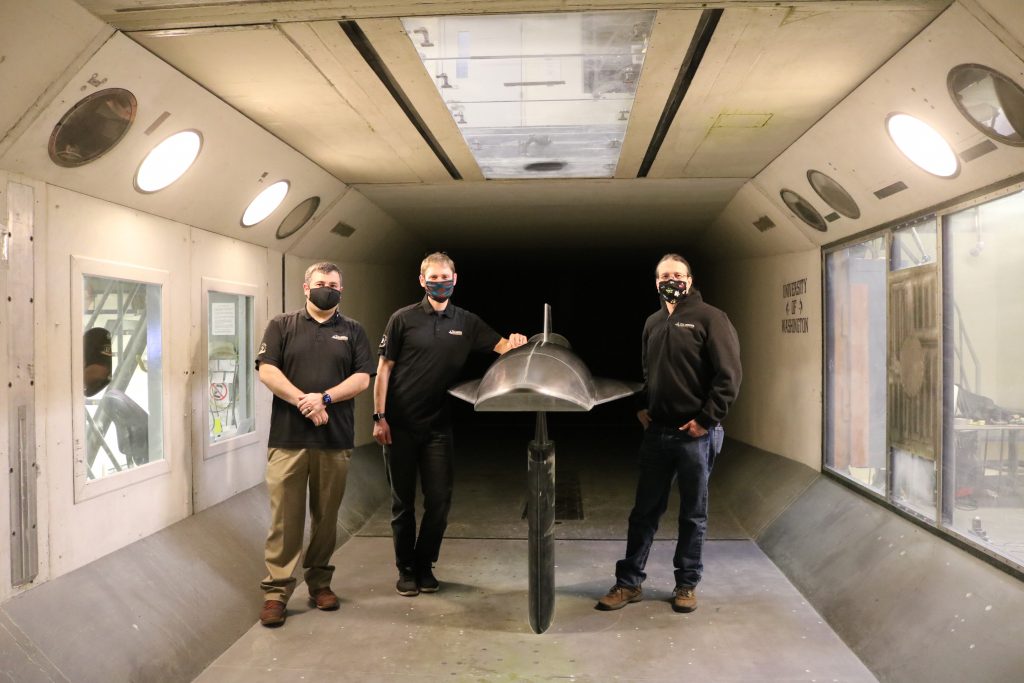
TLG Aerospace is a Seattle-based engineering firm dedicated to the aerodynamic and structural development of flight vehicles. Our engineers bring decades of experience to programs involving commercial transports, military platforms, uncrewed and autonomous systems, cargo and ISR configurations, hypersonic vehicles, and space launch systems. Some efforts refine existing designs, while others explore entirely new aerodynamic and structural solutions. The variety of programs we support reflects the evolving challenges and ambitions of modern aerospace.
When people ask me what I do, I often say I have the privilege of representing one of the most versatile and capable aerospace engineering teams in the country. As director of business development at TLG Aerospace, I see firsthand how analytical work becomes the foundation of safe and reliable flight. I have the unique vantage point of watching talented engineers turn complex problems into practical, certifiable solutions and guide programs from conceptual sketches to completed aircraft. It is a perspective that shows how interdisciplinary, collaborative, and forward-focused aerospace development truly is.
A core part of my role is ensuring that the right expertise aligns with the right programs. Modern aerospace development depends on partnership, and the most successful programs arise from strong relationships between internal teams and external specialists who bring established processes, methods, and tools. These partnerships are rooted in shared objectives: accuracy, reliability, and progress toward flight and partnerships matter.
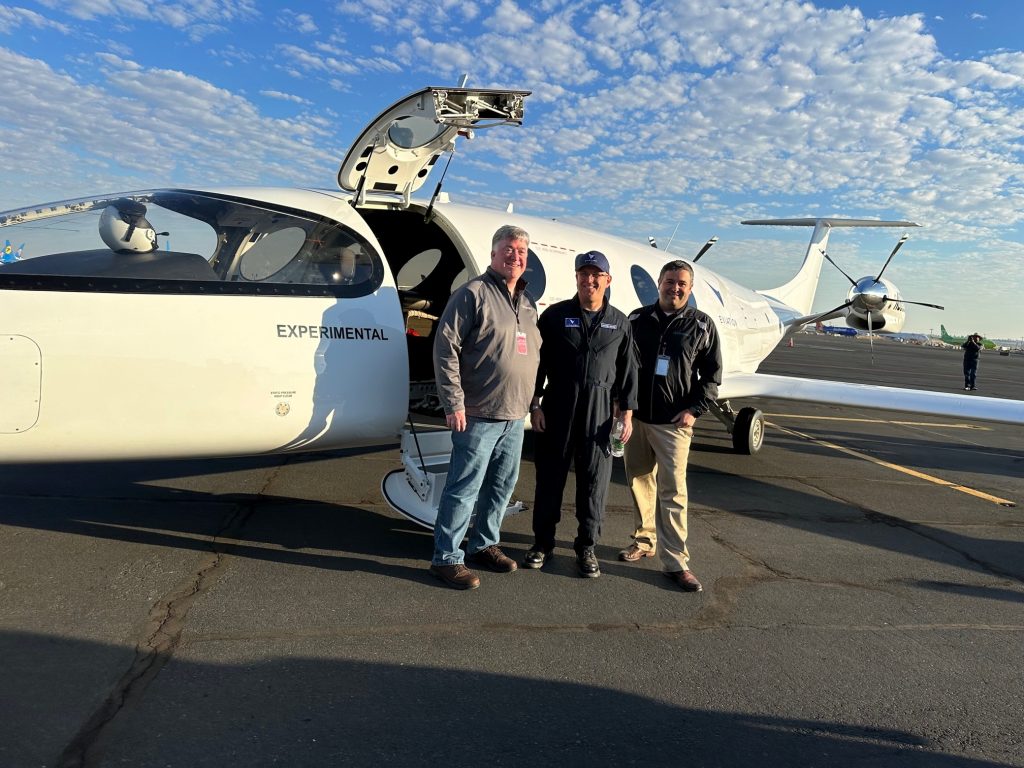
One misconception is that working with an experienced engineering firm increases program costs. While rates can often reflect years of specialized experience, a reputable firm like ours will not push programs toward higher-cost solutions when a lower-cost, technically sound approach is appropriate. That discipline comes from understanding where expertise adds value and where a client’s internal team can proceed independently. Efficiency grows from experience, not volume.
For many startup partners, another challenge lies in building tools and methods. New companies often hire strong engineers from larger organizations, but those individuals cannot bring proprietary methods or data with them. Rebuilding validated processes can take years. Partnering with experts like TLG changes that trajectory. Bringing in mature, validated analytical tools on day one, provides faster results, earlier insights, and reliable baselines that help new teams validate their own internal methods as they grow. This collaboration accelerates technical progress and builds confidence within emerging organizations.
On the certification side, another myth often appears. Many companies see the FAA as a barrier to innovation. We see the FAA as a century of distilled safety knowledge. Integrating that knowledge early is not an obstacle; it is an advantage. Our experience interfacing with the FAA allows us to anticipate feedback, incorporate compliance considerations from the start, and set programs on a smoother path to approval. When approached correctly, certification is not something that happens after design. It is part of design. Having a trusted partner who understands this makes a difference.
Experience matters because it shapes every decision that affects schedule, budget, and technical success. Our engineers understand how to identify challenges before they escalate, where to focus analytical effort, and how to guide design decisions toward practical solutions. We also believe strongly in teaching through partnership. When clients work with us, their teams gain exposure to mature engineering practices, efficient workflows, and clear documentation standards that strengthen their internal capabilities. In many ways, companies like TLG act as a force multiplier, helping teams accelerate development at a moment when rapid progress is critical. Cross-disciplinary thinking, shared experience, and open exchange of ideas leads to stronger solutions and supports better outcomes for every program we support.
Seattle’s History of Innovation
shows that progress is never achieved in isolation. It is built through collaboration, shared expertise, and a willingness to combine strengths. Engineering partnerships are part of that legacy, ensuring that today’s ideas become tomorrow’s aircraft and space systems.
Much of our work remains behind the curtain, but its impact is visible in the progress of the programs we support and in the trust our partners place in our technical judgment. Aerospace advances through careful design, thoughtful analysis, and disciplined execution. I am grateful to work for a company that contributes to that progression and helps carry forward the engineering excellence that defines our industry.