
By The Boeing Company
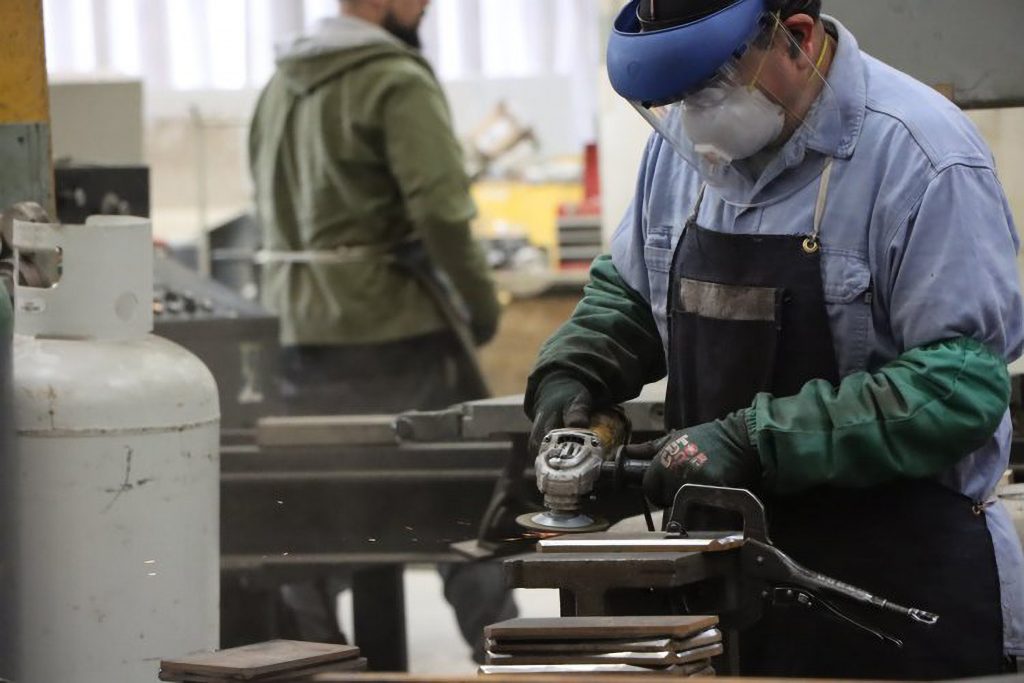
Developing talent in skilled trades is critical in an environment where that expertise is in high demand and low supply.
Manufacturing leaders in the Pacific Northwest and around the country are investing in their workforce because that is where the future of American exceptionalism resides. This is particularly true in the aerospace industry.
Aerospace generates approximately $71 billion in Washington State and supports more than 250,000 jobs. The state is consistently ranked first in the nation for aerospace production, exports, and employment and has an expansive supply chain of technical and skilled workers. In fact, Washington’s aerospace supply chain is the largest in the United States.
This massive aerospace ecosystem is powered by people, and right now, there is a growing shortage of skilled workers to keep it operating at full capacity. An increase in retirement and a lack of new talent in the skilled trades is creating a problem that is only amplified by the growing demand for more products.
According to a study released by the Aerospace Industries Association (AIA), “despite focused efforts to strengthen talent attraction and retention, the aerospace and defense (A&D) industry continues to face mounting workforce challenges.” That could be devastating for the country.
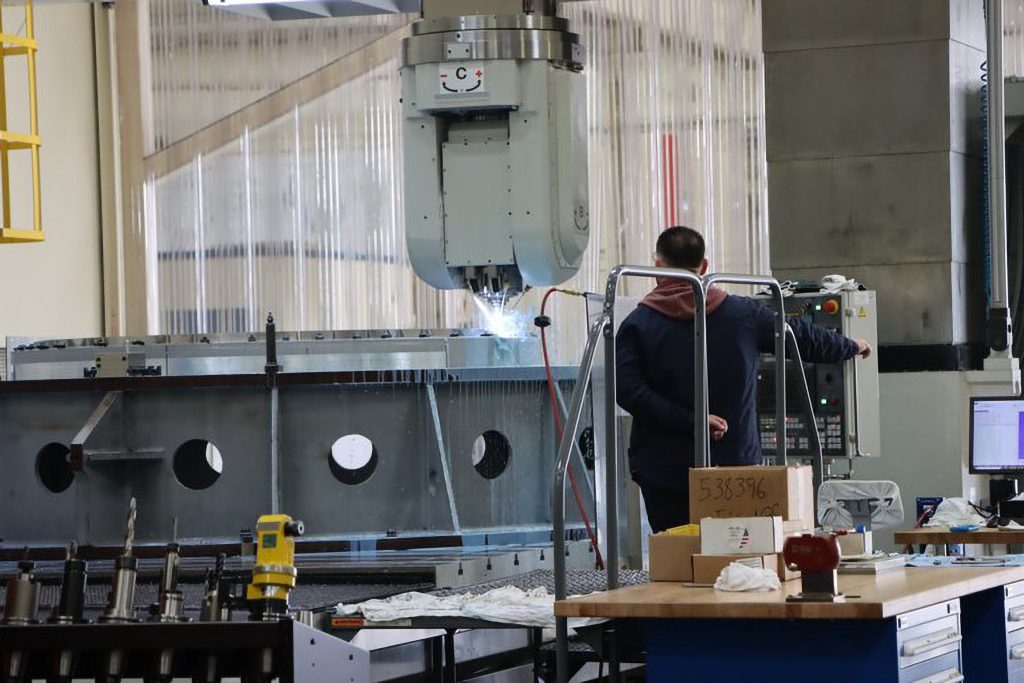
The biggest challenge is recruiting workers in engineering and skilled trades who can drive innovation and the next generation of aerospace technological advancements.
Aerospace manufacturing plays a critical role in our nation’s growth and security. Talented American workers are what will enable the U.S. to continue creating the world’s best fighter jets, rockets, commercial planes, and other key tools for global leadership. Supply chain companies in the Pacific Northwest and around the country are leading the way in training the next generation of makers and leading by example.

There isn’t a quick-fix solution to remedy this concerning trend, but business owners are working to create their own talent pipelines by investing in education for new employees, offering apprenticeships and other hands-on learning opportunities, and providing career-advancing training to ensure they have the right people to keep their production lines running. This, along with changing the conversation about skilled trade being a respected, viable career choice, will make great strides forward in rebuilding our aerospace manufacturing workforce.

